
Art as an Agent for Advocacy
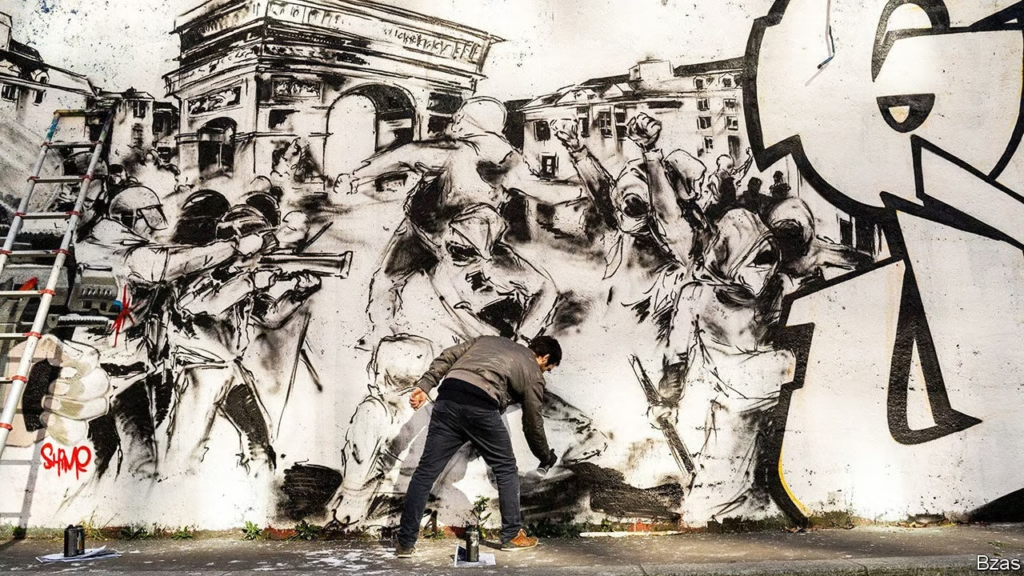
Art has never existed in a vacuum. Throughout history, artists have not only reflected the world around them—they have helped shape it. Their work has challenged power, preserved memory, questioned injustice, and imagined new possibilities. Whether through painting, photography, film, music, or design, creative expression has long been one of humanity’s most powerful forms of communication.
To say that art is political is not to suggest that every artwork supports a political agenda. Rather, every act of creating is shaped by the society, culture, and moment in which it exists. Artists choose what to depict, what to leave out, whose stories deserve attention, and what emotions to evoke. These choices inevitably carry meaning.
History offers countless examples of this relationship between art and advocacy.
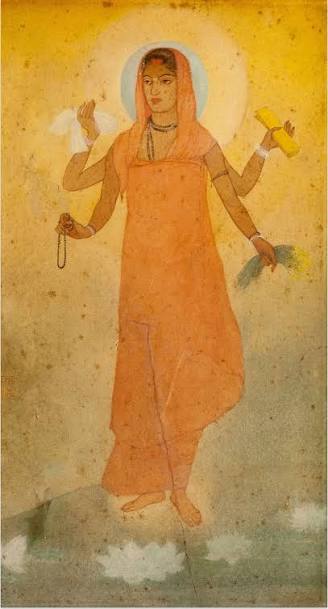
In 1905, as the Swadeshi Movement emerged in response to the Partition of Bengal, Abanindranath Tagore painted Bharat Mata—not as a militant figure, but as a calm, spiritual mother carrying books, cloth, grain, and a rosary. The image offered a new visual language for imagining India and quickly became an enduring symbol of the independence movement.
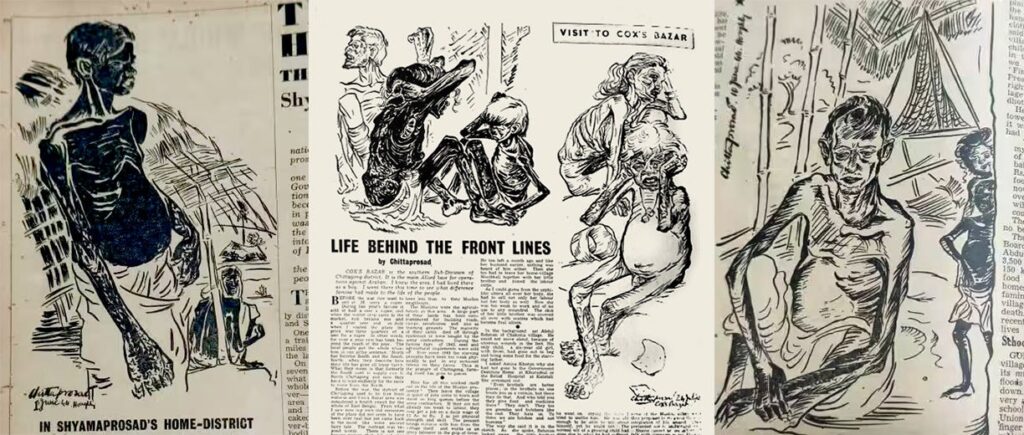
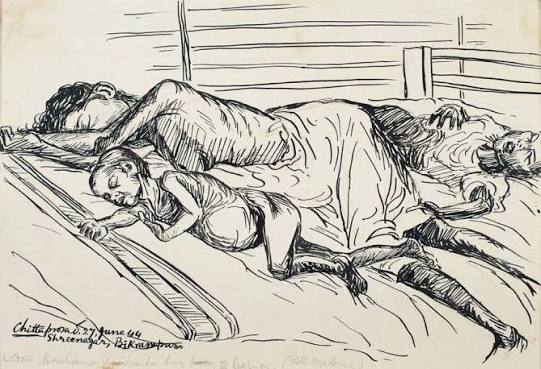
Nearly four decades later, Chittaprosad documented the Bengal Famine of 1943 through stark sketches and prints that exposed the human cost of colonial policies. At a time when much of this suffering was underrepresented, his work gave visibility to those who had been overlooked.
More recently, since 1985, the anonymous collective Guerrilla Girls has used bold posters, statistics, and satire to expose gender and racial inequality within museums and galleries.
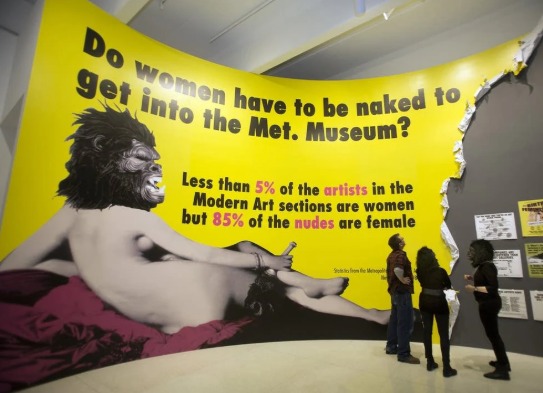
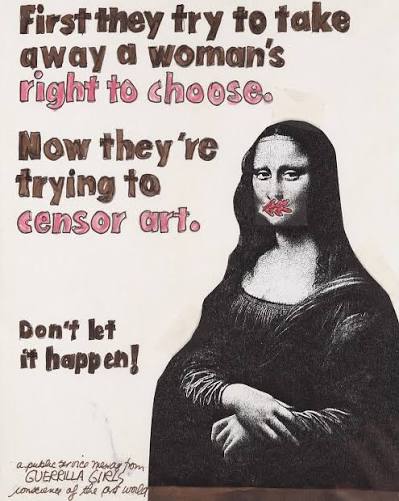
Rather than simply criticising institutions, they transformed complex data into unforgettable visual campaigns that reshaped conversations about representation in the art world. Though their contexts differ, each demonstrates the same principle: when artists give form to ideas that society struggles to articulate, their work can outlast speeches, headlines, and even generations.
This is the unique power of artists. They do not simply state an opinion—they create experiences that invite others to see differently. A single image can become a symbol. A poster can spark conversation. An installation can make an invisible issue impossible to overlook. Art reaches people emotionally before it reaches them intellectually, making it one of the most enduring tools for advocacy and change.
For young creatives, this carries an important responsibility. Great art cannot be created in isolation. It requires curiosity about the world beyond the studio. Reading the news, listening to people with different experiences, observing communities, travelling, questioning, and absorbing diverse perspectives all deepen an artist’s ability to create meaningful work. Technical skill gives artists the tools to make; awareness gives them something worth making.
As we look towards the future, it is worth recognising artists not only as makers of beautiful objects, but as observers, storytellers, and catalysts for dialogue. Their greatest contribution has never been decoration alone—it has been their ability to help society see itself more clearly.